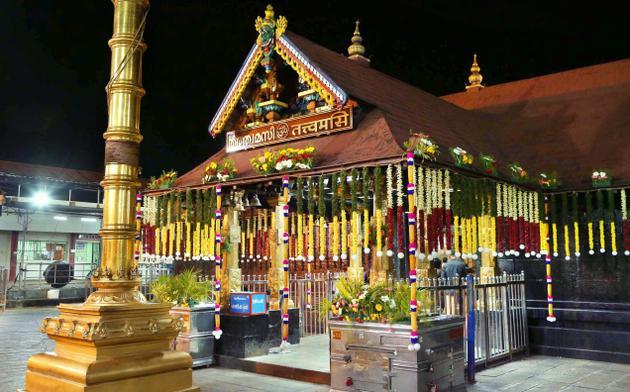
The Sabarimala Swamy Ayyappa Temple, located in the dense forests of the Western Ghats in Kerala’s Pathanamthitta district, is one of the most revered pilgrimage centers in India. Dedicated to Lord Ayyappa, the temple is famous not only for its spiritual significance but also for the strict discipline, equality, and devotion it represents. Every year, millions of devotees from across India and abroad undertake the sacred journey to Sabarimala, making it one of the largest annual pilgrimages in the world.
Mythology and Significance
According to Hindu mythology, Lord Ayyappa is believed to be the son of Lord Shiva and Mohini, the female avatar of Lord Vishnu. He is revered as a symbol of dharma, self-control, and unity. The temple stands at an altitude of about 1,260 meters above sea level and is surrounded by thick forests, symbolizing detachment from worldly pleasures.
One of the most remarkable aspects of Shabarimala is its emphasis on equality. Devotees, irrespective of caste, creed, or social status, are addressed as Swami, reflecting the belief that all are equal before God.
The Vratham and Pilgrimage
A pilgrimage to Sabarimala requires strict observance of a 41-day vratham (penance). During this period, devotees practice celibacy, follow a vegetarian diet, avoid alcohol and tobacco, wear black or blue attire, and lead a disciplined, simple life. This vratham prepares devotees mentally and physically for the challenging journey and deepens their spiritual connection.
The pilgrimage traditionally begins with carrying the Irumudi Kettu, a sacred bundle containing offerings for Lord Ayyappa. Devotees chant “Swamiye Saranam Ayyappa” as they trek through forest paths and steep hills, expressing surrender and devotion.
Temple Rituals and Seasons
The Sabarimala temple opens only during specific times of the year, mainly during the Mandala season (November–December) and Makaravilakku festival (January). It also opens briefly at the beginning of every Malayalam month. The sight of the Makaravilakku, a celestial light seen on the nearby hills during the festival, is considered highly auspicious.
Daily rituals, including Neyyabhishekam (offering of ghee) and Harivarasanam lullaby at night, create a deeply spiritual atmosphere that leaves a lasting impression on devotees.
Spiritual Experience and Message
A visit to Sabarimala is not just a temple visit; it is a transformative spiritual journey. The hardships of the trek, the discipline of the vratham, and the collective devotion of millions instill humility, patience, and inner strength. Lord Ayyappa is worshipped as a Naishtika Brahmachari, symbolizing eternal celibacy and self-restraint.